In modern online platforms, smooth and secure access is one of the most important parts of the user experience. Whether it is an e-commerce system, membership portal, or digital service dashboard, ultshop users expect a simple login process and quick access to their personal account area. This article provides a clear and structured guide on how login systems typically work and how users can access a dashboard like the Ultshop user portal.
The purpose of this guide is to help users understand each step of the login process, what to expect after signing in, and how to navigate the dashboard efficiently while maintaining account security.
1. Understanding the Ultshop Login System
The login system is the entry point to any secure online platform. It ensures that only authorized users can access personal accounts, data, and platform features.
In a system like Ultshop, the login page usually acts as a verification gate where users must enter correct credentials before gaining access to the dashboard.
Main Components of Login Access
A standard login interface typically includes:
- Username or email input field
- Password input field
- Login/submit button
- Password recovery option
- Security verification tools (in some cases)
Each of these elements plays an important role in verifying identity and protecting user accounts from unauthorized access.
2. Step-by-Step Login Instructions
Accessing the user dashboard is usually a straightforward process. Below is a general step-by-step explanation of how users typically log in.
Step 1: Open the Official Login Page
Users begin by visiting the official Ultshop login page through a secure browser. It is important to ensure that the website address is correct to avoid fake or phishing pages.
Step 2: Enter Your Credentials
Once the login page loads, users must enter:
- Registered email address or username
- Correct password associated with the account
Accuracy is essential because incorrect credentials will prevent access.
Step 3: Complete Security Checks (If Required)
Some platforms may include additional security steps such as:
- CAPTCHA verification
- Two-factor authentication (2FA)
- Email or SMS verification codes
These steps are designed to enhance account protection.
Step 4: Click the Login Button
After entering all required details, users click the login button to proceed. If credentials are correct, the system redirects the user to the dashboard.
Step 5: Access the User Dashboard
Once login is successful, the system opens the user dashboard where all account features and tools are available.
3. What Happens After Successful Login
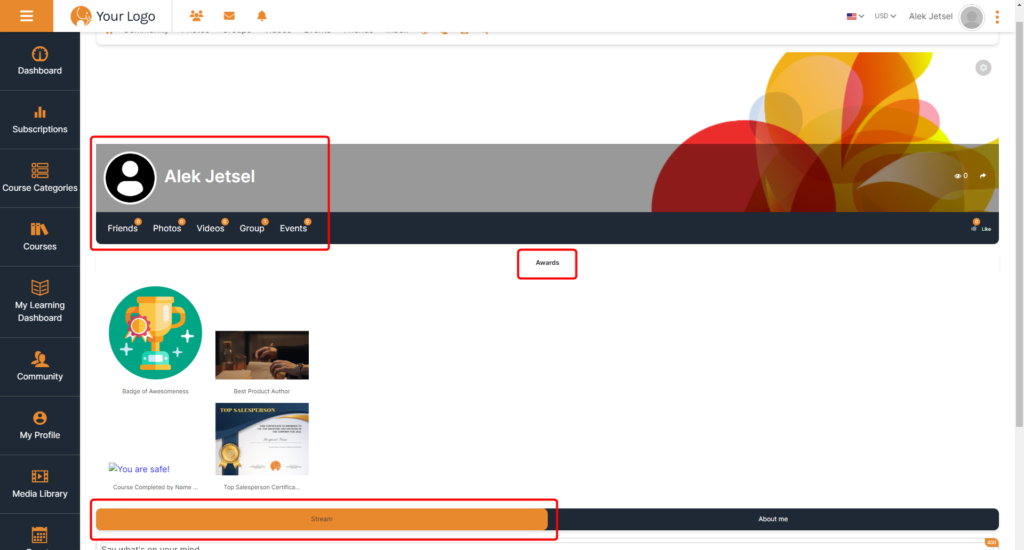
After logging in, users are typically directed to a personalized dashboard. This is the main control center of the account and provides access to all platform features.
The dashboard is designed to offer a clear overview of account activity and navigation options.
Key Elements of the Dashboard
A standard user dashboard may include:
Account Overview
Displays user profile information, account status, and basic settings.
Navigation Menu
Helps users move between different sections of the platform.
Activity Summary
Shows recent actions, login history, or updates related to the account.
Notifications Panel
Provides alerts, messages, or important system updates.
These components ensure users can easily manage their account in one centralized location.
4. Dashboard Navigation Features
A well-designed dashboard focuses heavily on user experience and ease of navigation. Users should be able to find features quickly without confusion.
Common Navigation Sections
Most platforms organize dashboard navigation into categories such as:
- Home or main dashboard
- Account settings
- Security options
- Activity or transaction history
- Help and support section
Each section serves a specific purpose and helps users manage different aspects of their account.
Importance of Simple Navigation
Clear navigation improves usability by:
- Reducing time spent searching for features
- Preventing user confusion
- Enhancing overall platform efficiency
- Improving mobile and desktop experience
A simple interface ensures that even new users can easily understand the system.
5. Account Settings and User Control
After accessing the dashboard, users can manage their personal settings. This section is important ultshop.mobi because it allows customization and security control.
Typical Settings Options
Users may be able to:
- Update personal profile details
- Change password
- Enable or disable notifications
- Manage linked email or phone numbers
- Adjust privacy settings
These features help users maintain control over their account and ensure accurate information is always up to date.
Why Account Settings Matter
Keeping account settings updated helps:
- Improve account recovery options
- Ensure secure communication
- Maintain correct user information
- Enhance overall security
Regular updates are recommended for a smooth user experience.
6. Security in the Login Process
Security is one of the most critical parts of any login system. Platforms like Ultshop generally use multiple layers of protection to safeguard user data.
Common Security Features
Encryption Technology
Protects data during transmission between the user and the server.
Two-Factor Authentication (2FA)
Adds an extra verification step beyond just a password.
Session Management
Monitors active sessions and logs users out after inactivity.
Device Recognition
Detects unfamiliar devices and may require additional verification.
User Responsibility in Security
Even with strong systems in place, users must also follow best practices:
- Use strong and unique passwords
- Avoid sharing login credentials
- Do not log in from public or untrusted devices
- Always log out after use
Security is a shared responsibility between the platform and the user.
7. Common Login Problems and Solutions
Sometimes users may face issues when trying to access their dashboard. These problems are usually easy to fix.
Frequent Issues
- Incorrect password or username
- Forgotten login credentials
- Browser cache problems
- Slow or unstable internet connection
- Temporary server issues
How to Fix Login Problems
Users can try the following solutions:
- Use the “Forgot Password” option to reset credentials
- Clear browser cookies and cache
- Try a different browser or device
- Check internet connectivity
- Wait and retry if the server is temporarily down
Most login issues are resolved using these simple steps.
8. Importance of Customer Support
A reliable platform always provides customer support to assist users with login or dashboard-related issues.
Support Options May Include:
- Live chat assistance
- Email support
- Help desk ticket system
- FAQ section
Good support ensures users can quickly resolve issues and continue using the platform without interruption.
9. Best Practices for Safe Dashboard Access
To ensure a safe and smooth experience when accessing the Ultshop dashboard, users should follow some basic best practices.
Recommended Safety Tips
- Always verify the official website before logging in
- Avoid using public Wi-Fi for sensitive login activities
- Enable two-factor authentication if available
- Keep your browser and device updated
- Never click suspicious login links from emails or messages
These steps help protect accounts from unauthorized access and cyber threats.
10. Conclusion
Accessing the Ultshop user dashboard begins with a simple but secure login process. By understanding each step—from entering credentials to navigating the dashboard—users can enjoy a smooth and efficient experience.
The login system ensures that only authorized users gain access, while the dashboard provides all essential tools and account features in one place. Security measures such as encryption and two-factor authentication add an extra layer of protection.
By following proper login instructions and practicing safe browsing habits, users can confidently manage their accounts and make the most of the platform’s features. A well-structured login system not only improves usability but also ensures a secure and reliable digital experience for every user.