
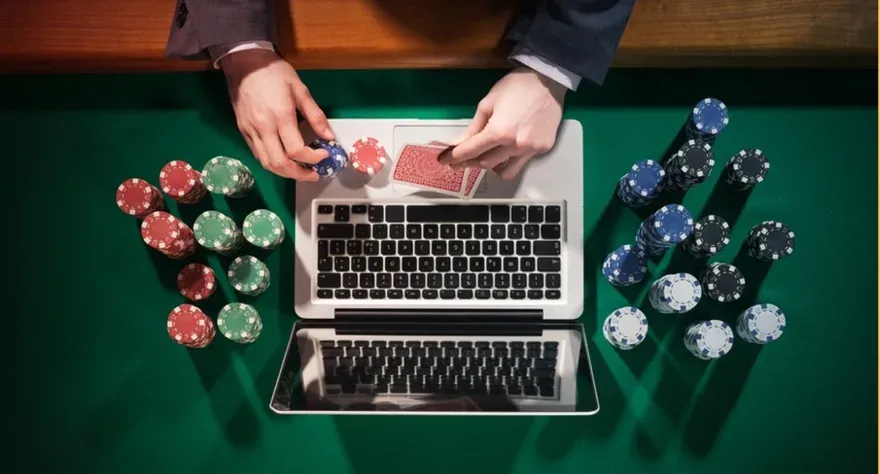
Poker is a game of skill, patience, and psychological insight. While long-term mastery takes time and dedication, there are several practical tricks that can instantly improve your performance at the table. Whether you are playing cash games or tournaments, applying the right strategies can quickly sharpen your decision-making and boost your confidence.
Understand Position and Use It Wisely
One of the fastest ways to improve your Global Poker results is by understanding table position. Acting later in a betting round gives you more information about your opponents’ actions. Players in late position have the advantage of observing bets, raises, and folds before making their move.
To use position wisely, play more hands when you are in late position and tighten your range in early position. This simple adjustment reduces risky decisions and increases your chances of controlling the pot.
Play Fewer Hands, but Play Them Aggressively
Many beginners make the mistake of playing too many hands. A powerful trick for instant improvement is to be more selective. Focus on strong starting hands and avoid marginal ones, especially when facing aggressive opponents.
When you decide to play a hand, play it confidently. Aggressive betting puts pressure on opponents and forces them into difficult decisions. Controlled aggression is often more profitable than passive calling.
Pay Attention to Opponent Tendencies
Observation is a crucial skill in Replay Poker . Watch how often your opponents raise, call, or fold. Do they bluff frequently? Do they only bet when they have strong hands?
Taking mental notes on these tendencies allows you to exploit weaknesses. For example, if a player folds often to large bets, you can bluff more against them. If someone rarely bluffs, you should be cautious when they show strength.
Manage Your Bankroll Carefully
Instant improvement is not only about winning hands but also about protecting your funds. Proper bankroll management prevents emotional decisions and unnecessary risks.
Set limits for each session and avoid chasing losses. Staying disciplined with your bankroll ensures you can continue playing even during inevitable downswings.
Control Your Emotions at the Table
Emotional control separates average players from successful ones. Tilt, frustration, and overconfidence can quickly destroy a good strategy. When you feel upset after a bad beat, take a short break.
Keeping a calm mindset allows you to think clearly and make rational decisions. Poker rewards logic and patience, not emotional reactions.
Focus on Consistent Learning
Even small daily improvements can make a significant difference over time. Review your hands, study strategy guides, and analyze mistakes. The more you reflect on your gameplay, the faster you will progress.