
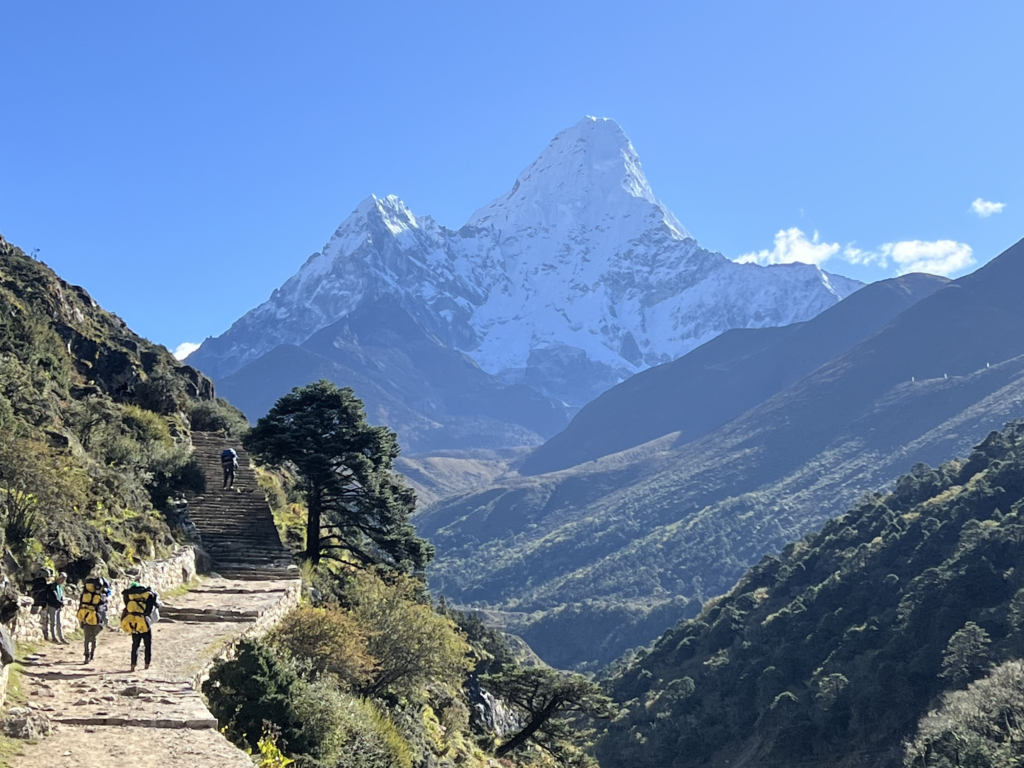
Trekking in Nepal can be one of the most rewarding travel experiences of your life. But enjoyment does not happen automatically. It comes from preparation, informed decisions, and the right mindset.
Many trekkers focus only on the destination, while the real satisfaction lies in how you feel throughout the journey. If you are planning a trek in Nepal, this guide will help you avoid common mistakes and make every day on the trail more comfortable, safe, and meaningful.
Choose the Right Trek Based on Your Ability
The first step to enjoying trekking in Nepal is choosing a route that matches your fitness level, time frame, and expectations. Not every trail suits every trekker. Some routes reach extreme altitudes and require strong endurance, while others offer moderate walking days and lower elevations.
The Annapurna Base Camp Trek offers a balanced option, combining moderate altitude, cultural villages, and impressive mountain scenery without the extreme height of some other routes.
The Everest Base Camp trek reaches 5,364 meters and demands careful acclimatization. The Annapurna Circuit offers diverse landscapes but includes long walking days and high passes.
The Langtang Valley trek is quieter and slightly lower in altitude, making it suitable for trekkers seeking fewer crowds.
Be honest about your physical condition. If you have limited trekking experience, consider moderate routes before attempting high-altitude challenges. The best trek is not the most famous one. It is the one you can complete comfortably and safely.
Prepare Your Body Before You Travel
Physical preparation directly affects how much you enjoy your trek. Trekking in Nepal usually involves walking 4 to 7 hours per day, often uphill and at increasing altitude. Without preparation, fatigue builds quickly and reduces your overall experience.
Start training at least six to eight weeks before departure. Focus on long walks, stair climbing, and light strength training for legs and core.
Practice walking with a small backpack to simulate trekking conditions. You do not need extreme workouts. Consistency matters more than intensity.
When your body feels prepared, you experience less exhaustion, recover faster each evening, and maintain positive energy throughout the trek.
Understand Altitude and Acclimatization
Altitude is one of the most important factors in high Himalayan trekking. Above 2,500 meters, the oxygen level decreases noticeably. At 5,000 meters, oxygen availability is roughly half of what it is at sea level. This affects everyone, regardless of fitness.
Proper acclimatization prevents altitude sickness and makes trekking far more enjoyable. A safe guideline is to increase sleeping altitude gradually and include rest or acclimatization days above 3,000 meters. Good itineraries are designed with this principle in mind.
Symptoms such as headache, nausea, dizziness, or unusual fatigue should never be ignored. Descending early is always safer than pushing forward. When you respect altitude and allow your body time to adjust, you feel stronger and more confident on the trail.
Pack Smart and Travel Light
Overpacking is a common mistake among first-time trekkers. Carrying too much weight makes each uphill section harder than it needs to be. Even if you hire a porter, lighter gear improves overall comfort and flexibility.
Bring essential layers suitable for changing mountain weather. This includes moisture-wicking base layers, an insulating jacket, waterproof outerwear, gloves, hat, and good trekking boots. Sun protection is critical at higher elevations due to stronger UV exposure.
Avoid packing unnecessary clothing or heavy items “just in case.” Most tea houses provide blankets and basic amenities. Keeping your load light helps you conserve energy and move more freely.
Maintain a Slow and Steady Pace
One of the simplest ways to enjoy trekking in Nepal is to control your pace from the first day. Many trekkers start too fast out of excitement. This leads to early fatigue and sometimes altitude-related problems.
Walk at a pace where you can speak comfortably without gasping for air. Take short breaks instead of long stops. Small, steady steps are more efficient than rushing uphill. Trekking is not a competition. It is a multi-day endurance journey.
By maintaining a consistent rhythm, you protect your energy for higher altitude sections and enjoy the scenery without feeling overwhelmed.
Eat Well and Stay Hydrated
Trekking at altitude burns a significant number of calories. Your body works harder due to thinner air and continuous movement. Eating enough food helps maintain strength and morale.
Meals in Nepal’s trekking regions are simple but nourishing. Dal bhat, which includes rice, lentils, and vegetables, provides balanced nutrition and sustained energy. Soups, noodles, potatoes, eggs, and porridge are also common and effective fuel.
Hydration is equally important. Aim to drink at least three to four liters of water daily at higher elevations. Dehydration increases fatigue and worsens altitude symptoms. Limit alcohol intake, as it can interfere with acclimatization and disrupt sleep.
Good nutrition directly influences how energetic and positive you feel each day.
Consider Hiring a Guide or Porter
Depending on your experience level, hiring a licensed guide or porter can significantly improve your trekking experience. A guide manages permits, monitors your health, adjusts the schedule if needed, and shares cultural insights about the region.
A porter reduces physical strain by carrying heavier gear. Walking with a light daypack makes uphill sections more manageable and allows you to focus on the landscape rather than fatigue.
In regions like Khumbu and Manang, tourism supports many local families. Hiring local staff contributes directly to mountain communities while enhancing your comfort and safety.
Choose the Right Season
Weather conditions strongly affect your overall experience. The most stable seasons for trekking in Nepal are spring from March to May and autumn from late September to November. During these periods, skies are generally clearer and temperatures more moderate.
Winter trekking is possible but involves colder conditions, especially above 4,000 meters. The monsoon season brings heavy rainfall to many areas, which can make trails muddy and obscure mountain views.
Selecting the right season increases the chances of clear panoramas and comfortable walking conditions.
Set Realistic Expectations About Comfort
Tea houses along popular routes provide basic but comfortable accommodation. Rooms are typically simple with twin beds and shared bathrooms. Heating is often available in the dining area rather than in individual rooms.
Internet connectivity may be limited or slow at higher altitudes. Electricity for charging devices may require a small fee. Accepting these realities before your trek prevents frustration.
When you approach the journey with flexible expectations, minor inconveniences become part of the adventure rather than sources of stress.
Respect Local Culture and Environment
Trekking in Nepal offers cultural experiences alongside natural beauty. In Buddhist regions, walk clockwise around stupas and spin prayer wheels in the same direction. Dress modestly in villages and ask permission before photographing local people.
Respect for the environment is equally important. Stay on marked trails, avoid littering, and minimize plastic waste. Many trekking areas follow Leave No Trace principles to preserve fragile ecosystems.
When you show respect, you build positive interactions with local communities and contribute to sustainable tourism.
Focus on the Experience, Not Just the Goal
It is easy to become fixated on reaching a specific landmark. However, the true enjoyment of trekking often lies in small daily moments. Watching the sunrise over snow peaks, sharing tea with fellow trekkers, and walking through forests and terraced fields create lasting memories.
For example, the Annapurna Base Camp trek leads to a spectacular amphitheater of Himalayan peaks. While reaching base camp is special, the journey through rhododendron forests and traditional Gurung villages is equally rewarding.
Pause regularly. Observe your surroundings. Appreciate the gradual change in landscape and culture as you ascend.
Plan for Safety and Peace of Mind
Comprehensive travel insurance that covers high-altitude trekking and helicopter evacuation is essential for treks above 3,000 meters. Emergency rescues in remote Himalayan regions can be expensive. Insurance provides financial protection and reassurance.
Carry copies of your passport, permits, and insurance details. Inform family or friends of your itinerary. These simple steps allow you to trek with confidence.
Conclusion
Making trekking in Nepal enjoyable requires thoughtful preparation and realistic expectations. Choose a trek that suits your fitness level. Train your body in advance. Respect altitude and acclimatize properly. Pack light. Walk at a steady pace. Eat well, hydrate consistently, and consider local support.
When you combine practical planning with an open and patient mindset, trekking becomes more than a physical challenge. It becomes a meaningful journey through mountains, culture, and personal growth. The Himalayas reward those who move carefully, respectfully, and with awareness.