
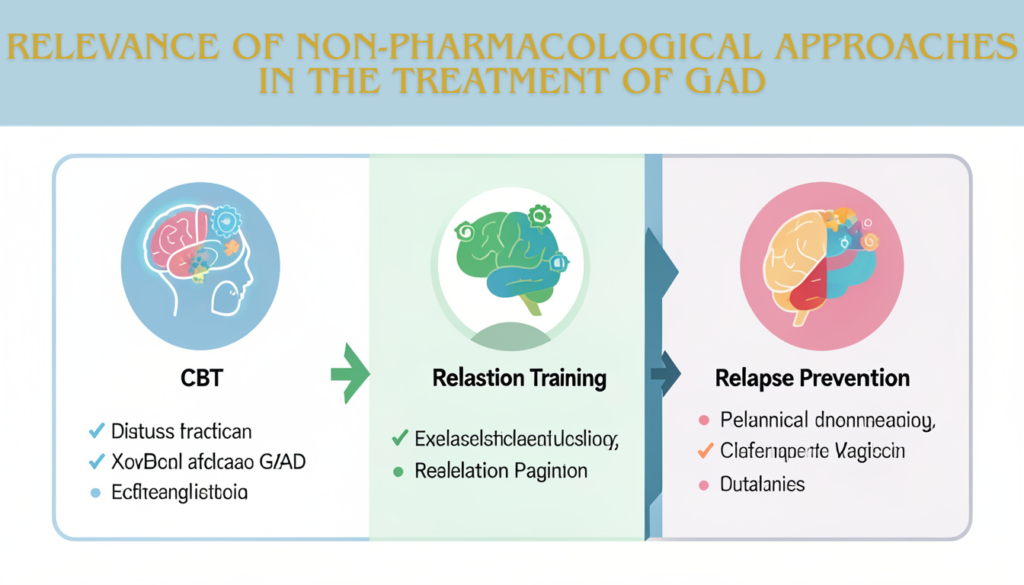
Generalized Anxiety Disorder (GAD) is a chronic mental health condition characterized by persistent, excessive worry that interferes with daily functioning. While pharmacological treatments such as antidepressants and anxiolytics remain widely used, there is a growing shift toward non-pharmacological approaches that prioritize long-term resilience, reduced dependency, and holistic well-being. In regions like British Columbia (BC), Canada, this trend aligns with evolving mental health frameworks that emphasize integrated and patient-centered care models.
1. Understanding the Limitations of Pharmacological Interventions
Pharmacological therapies, including selective serotonin reuptake inhibitors (SSRIs) and benzodiazepines, are often effective in symptom management. However, they present several limitations, including side effects, risk of dependency, and variability in patient response.
These challenges have accelerated the demand for complementary or alternative strategies that address not only symptom relief but also the underlying cognitive and behavioral patterns associated with GAD. In healthcare systems across BC, Canada, clinicians are increasingly adopting blended care pathways that incorporate non-drug interventions as first-line or adjunct treatments.
2. Cognitive Behavioral Therapy (CBT) as a Gold Standard
Cognitive Behavioral Therapy (CBT) remains one of the most evidence-based non-pharmacological treatments for GAD. It focuses on restructuring maladaptive thought patterns and promoting healthier coping mechanisms.
CBT’s relevance lies in its scalability and long-term efficacy. Unlike medication, which primarily manages symptoms, CBT equips individuals with actionable tools to regulate anxiety independently. In BC, Canada, digital CBT platforms and therapist-led sessions are widely integrated into public and private healthcare offerings, enhancing accessibility and adherence.
3. Lifestyle Interventions and Behavioral Optimization
Lifestyle modifications are increasingly recognized as critical components of anxiety management. These include:
- Structured physical activity
- Sleep hygiene optimization
- Nutritional balance
- Mindfulness and meditation practices
Such interventions contribute to neurobiological regulation, including cortisol reduction and improved neurotransmitter balance. Within progressive healthcare ecosystems like BC, Canada, these approaches are often embedded into preventive mental health programs.
Interestingly, broader wellness trends have also influenced behavioral choices, including substance use patterns. For instance, discussions around controlled cannabis use and mental health have gained traction, particularly in regions with legalized frameworks. While not a primary treatment, some individuals explore regulated access models such as same-day weed delivery in Vancouver within a broader self-management context, reflecting evolving consumer behavior in mental wellness landscapes.
4. Mindfulness-Based Therapies and Stress Regulation
Mindfulness-Based Stress Reduction (MBSR) and related therapies have demonstrated measurable benefits in reducing anxiety symptoms. These approaches emphasize present-moment awareness and acceptance, helping individuals disengage from chronic worry cycles.
Clinical adoption of mindfulness practices has expanded significantly, particularly in BC, Canada, where integrative health models prioritize mental resilience. These interventions are cost-effective, low-risk, and adaptable across diverse populations, making them highly relevant in both clinical and community settings.
5. The Emerging Role of Alternative and Complementary Modalities
Beyond structured therapies, alternative approaches such as yoga, acupuncture, and biofeedback are gaining recognition. These modalities aim to regulate the autonomic nervous system and improve emotional balance.
In parallel, there is growing scientific inquiry into the neurological impact of cannabis and related compounds. While research remains ongoing, insights from a study about Cannabis and Brain Health suggest complex interactions between cannabinoids and brain function, highlighting the need for cautious, evidence-based integration into mental health discussions.
This evolving research landscape has also influenced consumer access patterns, where online dispenseries like Budora provide weed delivery in Surrey, reflecting how regulated systems intersect with broader wellness trends. However, such approaches remain supplementary and should not replace clinically validated treatments.
6. Accessibility, Personalization, and Long-Term Outcomes
One of the strongest value propositions of non-pharmacological approaches is their adaptability. These interventions can be tailored to individual needs, cultural contexts, and lifestyle preferences.
In BC, Canada, healthcare systems increasingly emphasize personalized care pathways that combine therapy, lifestyle changes, and community support. This integrated model not only improves treatment adherence but also enhances long-term outcomes by addressing root causes rather than relying solely on symptom suppression.
Conclusion
Non-pharmacological approaches have become indispensable in the modern treatment landscape of Generalized Anxiety Disorder. Their relevance extends beyond symptom management to include sustainable behavioral change, improved quality of life, and reduced reliance on medication.
As healthcare systems in regions like BC, Canada, continue to evolve, the integration of cognitive therapies, lifestyle interventions, and emerging complementary modalities represents a forward-thinking strategy. This holistic framework positions non-pharmacological care not as an alternative, but as a foundational pillar in the effective management of GAD.