
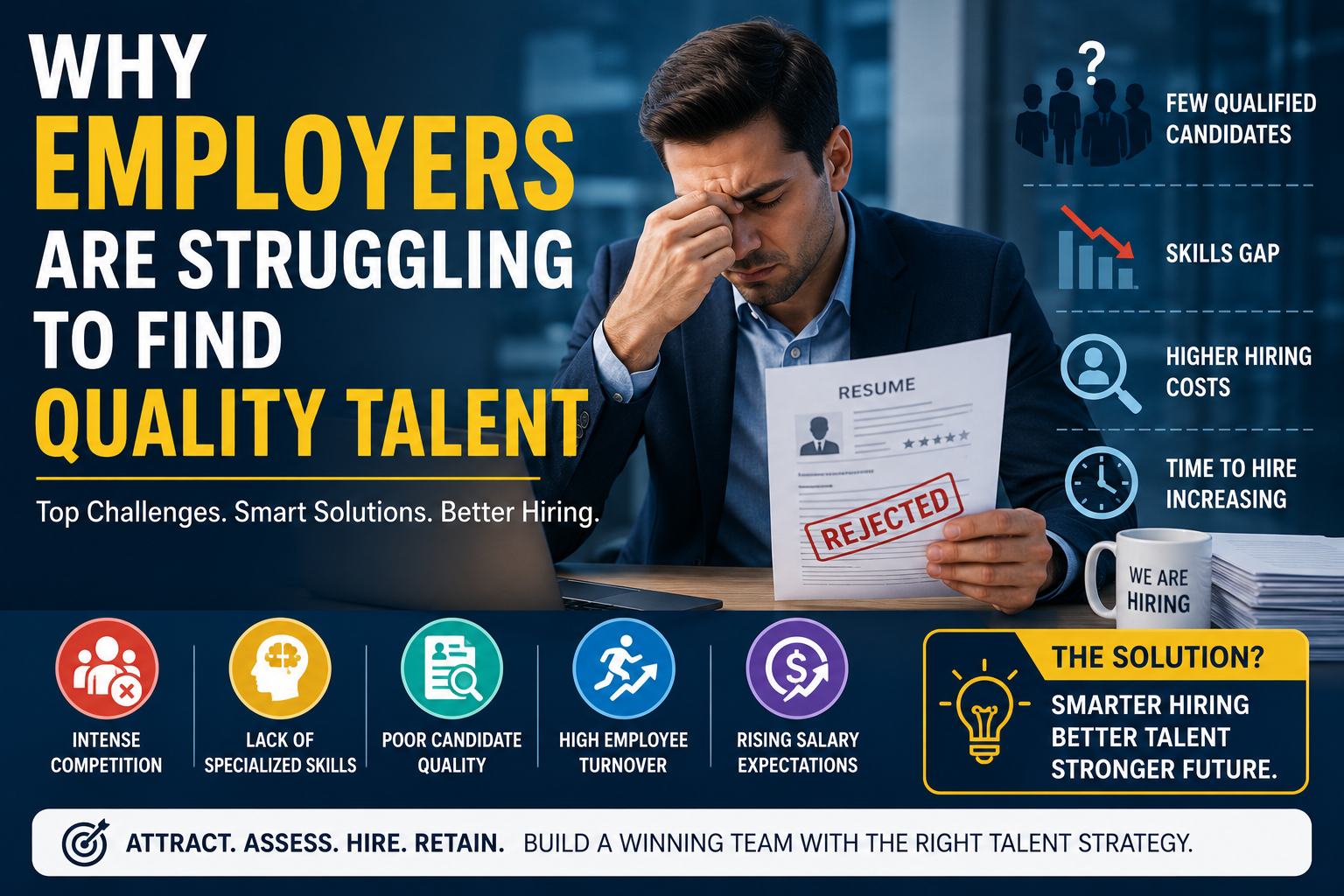
Finding the right employees isn’t always easy. Employers often receive dozens or even hundreds of applications, yet only a few candidates have the skills, experience, and attitude needed for the job. Sorting through unsuitable applications takes time and can delay important hiring decisions.
The good news is that companies can make recruitment faster and more effective with a few practical changes. From writing clearer job descriptions to using targeted recruitment channels, small improvements can help employers connect with qualified candidates without wasting valuable resources.
Write Clear and Specific Job Descriptions
A good hiring process starts with a well-written job description. Candidates need to understand what the role involves, which skills are required, and what the employer expects from them.
Instead of listing every possible qualification, focus on the skills that genuinely matter. Explain the main responsibilities, required experience, working hours, and salary range when possible.
Clear job descriptions help candidates decide whether a position suits their background. They also discourage unsuitable applications, allowing hiring teams to spend more time evaluating promising applicants.
Use the Right Recruitment Channels
Not every recruitment channel attracts the same type of candidate. Some platforms are better for entry-level positions, while others are more useful for experienced professionals or specialized roles.
Employers should choose channels based on the jobs they’re trying to fill. For example, a company hiring software developers may benefit from technology-focused communities, while a business recruiting sales representatives might reach more suitable applicants through professional networks.
Making job opportunities easy to discover is equally important. People searching for career opportunities may use Thai terms such as หางาน and สมัครงาน to explore vacancies and find positions that match their skills. Understanding the search habits of the target audience can help employers reach more relevant candidates.
Make the Application Process Simple
Even qualified candidates may abandon an application if the process is too complicated. Long forms, unnecessary questions, and repeated requests for the same information can discourage people from completing their submissions.
Keep the application process straightforward. Ask for essential details, a relevant resume, and any additional information needed to assess suitability.
It’s also worth checking whether the application works properly on mobile devices. Many job seekers use their phones to explore vacancies and submit applications, so a mobile-friendly experience can help employers attract more applicants.
Focus on Skills, Not Just Experience
A strong candidate doesn’t always have the longest resume. Someone with fewer years of experience may still have the technical knowledge, communication skills, and willingness to learn that a position requires.
Employers can identify these candidates by using practical assessments, structured interviews, and skill-based questions. These methods provide a clearer picture of how applicants might perform in the actual role.
For positions where formal qualifications are essential, employers should still verify the relevant credentials. However, looking beyond job titles and years of experience can reveal talented people who might otherwise be overlooked.
Respond Quickly and Communicate Clearly
Qualified candidates often apply to several positions at once. If an employer takes too long to respond, those candidates may accept another offer before the recruitment process is complete.
Set realistic timelines for reviewing applications, arranging interviews, and making decisions. Automated acknowledgments can confirm that an application has been received, while personalized updates keep promising candidates informed.
Clear communication also creates a better impression of the company. Even applicants who aren’t selected are more likely to view the recruitment process positively when they receive respectful and timely responses.
Use Data to Improve Recruitment
Tracking recruitment results helps employers understand what’s working and what needs improvement. Useful measurements include the number of qualified applicants, time required to fill a position, interview-to-offer ratios, and employee retention rates.
If a particular channel consistently produces relevant applications, it may deserve more attention. If a job advertisement attracts many unsuitable candidates, the wording or targeting may need to change.
Reviewing these results regularly allows hiring teams to make better decisions instead of relying entirely on guesswork.
Build a More Efficient Hiring Strategy
Reaching qualified candidates doesn’t have to mean spending more money or collecting more applications. The real goal is to attract the right people, evaluate their abilities fairly, and move suitable applicants through the hiring process without unnecessary delays.
By improving job descriptions, choosing relevant recruitment channels, simplifying applications, and communicating promptly, employers can make recruitment more efficient.
A thoughtful approach benefits everyone involved. Employers save time, candidates enjoy a smoother experience, and businesses have a better chance of building reliable teams that support long-term growth.