Weekly newsletter schedules are brutal for modern ecommerce teams. For pet brands, the pressure is even higher: pet owners do not buy products; they buy the emotion of a healthy, happy pet. To drive conversions, you need high-quality lifestyle imagery showing dogs playing with a new pet food bowl or cats resting comfortably in a cat carrier. Yet, setting up professional photoshoots for every single promotional cycle is financially unsustainable, while generic stock photos fail to build trust. This operational bottleneck is why creative teams are turning to advanced AI models. By utilizing the precise rendering capabilities of gpt image 2 through creative platforms like pikvee, marketing teams can bypass traditional design bottlenecks and generate high-converting email graphics in minutes.
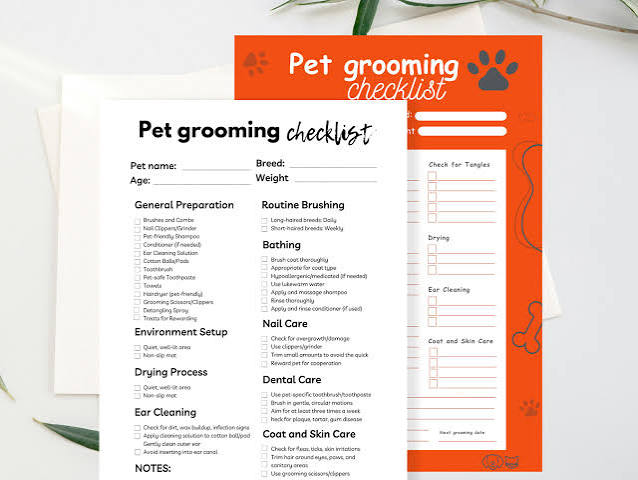
Using gpt image 2 to scale your email campaigns is not just about generating pretty pictures. It is about building a predictable creative pipeline that respects your brand guidelines and speaks directly to pet owners. To help you execute this transition, we have put together a comprehensive checklist and workflow to optimize your email marketing visuals using gpt image 2.
The Visual Bottleneck in Pet Brand Email Marketing
Email marketing remains one of the highest-ROI channels for ecommerce, but its success depends heavily on visual engagement. A standard product shot on a white background rarely inspires a pet owner to click. They need to see the product in context—a cozy living room, a sunny park, or a clean kitchen.
However, scaling lifestyle photography presents three distinct challenges:
1. High Production Costs: Hiring animal actors, photographers, and renting studio spaces quickly drains your marketing budget.
2. Slow Turnaround Times: A typical photoshoot takes weeks from concept to final edit, making it impossible to react to real-time market trends or seasonal shifts.
3. Platform Constraints: Email headers, product recommendation grids, and abandoned cart banners all require different aspect ratios and text placements.
This is where gpt image 2 changes the equation. Unlike older models that struggled with realistic textures and text rendering, gpt image 2 excels at producing photorealistic textures—like pet fur and fabric—while maintaining high text readability. By implementing gpt image 2 in your design stack, you can generate multiple variations of a single concept, allowing your team to test different visual angles without blowing the budget.
The Email Visual Checklist: Designing with gpt image 2
Before you start generating assets, you must establish a clear quality control process. Use this checklist to ensure every visual produced by gpt image 2 is ready for your email templates:
- Aspect Ratio and Crop Safety: Ensure the image is generated in the correct aspect ratio (e.g., 16:9 for email headers, 1:1 for product grids). Since gpt image 2 natively supports flexible aspect ratios ranging from wide 3:1 to tall 1:3, you can easily generate assets tailored to specific templates without manual cropping. Check that the main subject—such as a dog chewing a toy—is centered so it does not get cut off on mobile screens.
- Text Readability and Spacing: If your visual contains overlay text, verify that the model has rendered it correctly. While the model has a 95% accuracy rate for text rendering, always double-check for minor spelling errors or awkward spacing before exporting.
- Background Clutter Control: Pet marketing visuals need to focus on the product. Ensure the background generated by gpt image 2 does not distract from the primary asset. Use prompts that specify a clean, minimalist setting.
- Brand Color Consistency: Verify that the generated colors align with your brand palette. You can guide gpt image 2 by specifying hex codes or exact color descriptions in your prompts to maintain visual cohesion across all email campaigns.
A Practical Workflow for Generating Pet Product Visuals
To get the most out of gpt image 2, your creative team needs a structured workflow. Here is a step-by-step method to generate localized, high-converting visuals for a new dog food launch using pikvee and gpt image 2.
Step 1: Define the Creative Brief
Determine the primary goal of the email campaign. For example, if you are promoting a new line of organic dog treats, your visual needs to convey health, energy, and joy. Identify the exact channels where this image will live, such as the hero banner of a promotional email.
Step 2: Craft the Prompt with gpt image 2
To achieve photorealism and avoid the generic “AI look,” write highly specific prompts. Focus on lighting, texture, and composition. Here is a prompt template you can use with gpt image 2:
“A high-resolution, photorealistic lifestyle photo of a happy Golden Retriever sitting next to a clean, modern pet food bowl on a light oak wooden floor. The pet food bowl has the clearly visible brand text ‘Pikvee Pet’ printed on the side with perfect, crisp lettering. Soft morning sunlight streaming through a window, creating natural shadows. In the background, a minimalist kitchen with pastel green cabinets, slightly out of focus. The dog is looking at the camera with a bright expression. Clean composition, 16:9 aspect ratio.”
Step 3: Iterate and Edit
Once gpt image 2 generates the initial concepts, use image-to-image editing to refine the details. If the dog’s expression is perfect but the background is too busy, instruct the model to simplify the background while keeping the dog and the bowl intact. This level of precise control is what makes gpt image 2 a true production tool rather than a toy.
Step 4: Integrate Brand Assets in pikvee
Export the refined image into pikvee to add your final brand touches, such as your logo, CTA buttons, or specific promotional banners. This hybrid workflow combines the generative power of gpt image 2 with the structured control of traditional design tools.
Overcoming Common Pitfalls with gpt image 2
While gpt image 2 is incredibly powerful, designers often make mistakes that reduce the effectiveness of their campaigns. Knowing what to avoid will save your team hours of rework.
| Pitfall | Why It Happens | How to Fix It with gpt image 2 |
| Over-complicating Prompts | Trying to describe too many elements at once, confusing the model. | Focus on one main subject, one setting, and one lighting style. Let the AI handle the minor details. |
| Ignoring Mobile Optimization | Designing visuals that look great on desktop but lose detail on mobile screens. | Keep the core subject large and centered. Use gpt image 2 to generate clean, uncluttered backgrounds that compress well. |
| Inconsistent Style Across Emails | Generating a different artistic style for every weekly newsletter. | Save your successful prompts and reuse the style descriptors. Use gpt image 2 to maintain a consistent photographic style. |
Another common error is relying entirely on raw AI output without human review. Always check the final image for anatomical correctness in animals (e.g., paw shapes) and ensure the text aligns perfectly with your campaign copy.
Scaling Your Email Creative Output
The ultimate benefit of integrating gpt image 2 into your marketing operations is speed. Instead of waiting weeks for a design agency to return assets, your marketing team can brainstorm, generate, and publish a complete email campaign in a single afternoon.
By pairing gpt image 2 with a collaborative platform like pikvee, you can build a library of reusable visual assets tailored to different segments of your audience. For instance, you can easily swap a golden retriever for a tabby cat to target different customer segments, personalization that was previously too expensive to execute.
As you scale your email marketing, remember that tools like gpt image 2 are designed to amplify your creative team’s capabilities, not replace their strategic judgment. Start by testing the model on a single newsletter segment, measure the click-through rates against your traditional designs, and refine your prompt templates based on real-world performance data.