
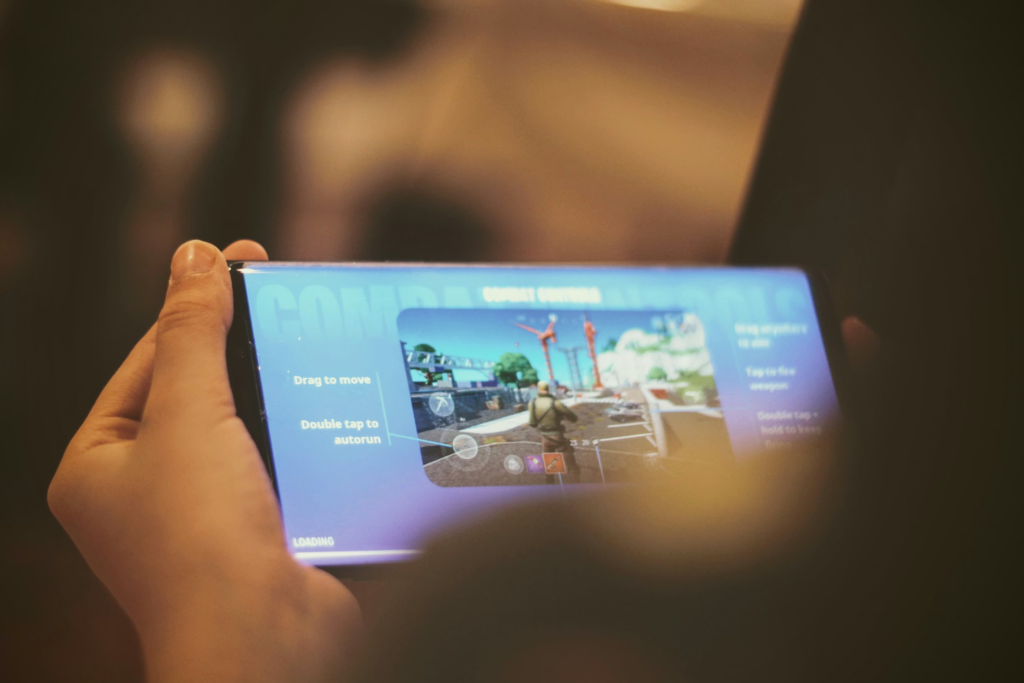
Mobile games did not become huge because of one brilliant invention or one perfect decade. The rise happened in a more ordinary way. A phone was already there. It was already in a pocket, already connected to the internet, already part of morning routines, evening boredom, train rides, waiting rooms, lunch breaks, and those five-minute pauses that somehow turn into twenty. Once games moved into that space, the habit felt almost inevitable.
The same screen that holds messages, maps, playlists, shopping apps, and platforms like x3bet also became a place for fast entertainment. That detail matters more than it seems. A mobile game does not ask for a separate room, a console, a gaming desk, or much planning at all. It appears exactly where daily life is already happening. That is why mobile gaming feels less like an event and more like a natural extension of idle time.
Phones Removed the Usual Barriers
Older forms of gaming usually asked for a clear decision. A console had to be bought. A computer had to be powerful enough. A screen had to be free. Time had to be set aside. Mobile gaming cut through most of that. The device was already owned for completely different reasons, and the game simply arrived afterward.
That made gaming easier for people who never really thought of themselves as gamers. No big purchase, no technical setup, no feeling of entering some closed club with invisible rules. A puzzle game, sports title, strategy app, or card game could be downloaded in a few minutes and tested with almost no risk.
This changed the audience fast. Mobile games reached students, office workers, parents, older adults, casual players, and people who would never spend hours comparing graphics cards or arguing about frame rates online. Probably healthier that way, honestly.
Short Sessions Fit Real Life Better
This is one of the biggest reasons mobile gaming became so accessible. Modern life is full of broken time. There are small gaps everywhere. A bus ride. A queue. A coffee break. Ten minutes before sleep. Seven awkward minutes waiting for somebody who wrote “coming now” and clearly lied.
Mobile games are built for those gaps. Many can start instantly and still feel satisfying in a short session. That design matters. A lot of entertainment asks for full attention and a decent block of time. Mobile games often ask for a few taps and a little curiosity.
Small Reasons Mobile Games Feel So Easy to Enter
Several things make mobile gaming simple from the very first moment:
- The phone is already in hand, so the first barrier barely exists
- Most games install quickly, without much setup or storage drama
- Sessions can be short, which fits messy schedules better
- Touch controls feel familiar, even for complete beginners
- Games can be played almost anywhere, which changes the habit completely
None of that guarantees quality, of course. Easy access does not automatically produce a masterpiece. Still, accessibility has its own power, and mobile gaming mastered that better than most industries.
Mobile Games Reached Beyond Traditional Gaming Culture
That side door changed the image of gaming itself. For years, gaming was often presented through a narrow lens. It belonged to bedrooms, living rooms, dedicated setups, and people willing to spend long hours with one title. Mobile gaming widened the picture.
Suddenly, gaming could happen while commuting, waiting for food, resting between tasks, or winding down after a tiring day. It did not need a special identity around it. Nobody had to “be a gamer” in the classic sense. Playing became lighter, more casual, and more socially normal.
That shift is easy to underestimate, but it changed everything. An activity becomes mainstream the moment it stops asking for permission.
Design Learned to Follow Attention
Developers also became very good at building around the way phones are actually used. Attention comes and goes. Notifications interrupt everything. People lose focus, switch apps, come back, then leave again. Good mobile games stopped fighting that rhythm and started designing for it.
That is why many successful mobile titles explain themselves quickly. The controls are simple. The reward loop is immediate. Progress appears early. Sometimes that design is clever and honest. Sometimes it is a little too good at keeping people hooked. Both things can be true at once.
What Really Helped Mobile Gaming Spread So Far
Its rise was shaped by several forces working together:
- Smartphones became everyday essentials, not luxury gadgets
- Entertainment moved toward on-demand habits, faster and more portable
- Free-to-play models lowered the entry point for curious users
- Game design adapted to short attention spans instead of resisting them
- Gaming escaped one fixed place, becoming something portable and constant
When all of that came together, mobile games stopped looking secondary. They became the format that fit modern life best.
Accessibility Won the Race
Mobile games became the most accessible form of entertainment because they asked for less and offered more immediacy. Less money upfront. Less setup. Less time. Less commitment. In return, they offered quick distraction, easy habit, and constant availability.
That is probably the real answer. Mobile gaming did not conquer entertainment by being the loudest or the most prestigious. It won because it was there first, there always, and there exactly when boredom needed something to do.