
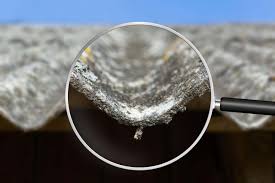
Asbestos has long been associated with serious health risks, yet many buildings still contain this harmful material, often hidden from sight. For property owners, especially those with older homes or buildings, the potential for asbestos exposure is an ongoing concern. Asbestos was widely used in construction materials throughout the 20th century due to its durability, heat resistance, and insulating properties. However, over time, it was discovered that asbestos fibers, when disturbed, can be extremely dangerous to human health.
An asbestos test is a crucial step for anyone seeking to protect themselves, their family, employees, or tenants from the hidden hazards associated with asbestos exposure. If you suspect that your property might contain asbestos, or if you’re planning a renovation or demolition project, conducting an asbestos test is the best way to identify any risks before they become a major problem.
In this article, we’ll explore how an asbestos test can help identify potential hazards in your property and why it’s essential to have one conducted, especially in older buildings.
Understanding Asbestos and Its Risks
Asbestos is a naturally occurring mineral that was widely used in construction due to its heat resistance and insulating properties. It was commonly used in products such as insulation, roofing materials, flooring, ceiling tiles, and even cement. However, over the years, it became evident that prolonged exposure to asbestos fibers can cause serious health problems, including:
- Asbestosis: A chronic lung condition caused by the inhalation of asbestos fibers, leading to scarring and difficulty breathing.
- Lung Cancer: Exposure to asbestos increases the risk of developing lung cancer, particularly among those who also smoke.
- Mesothelioma: A rare but aggressive cancer of the lungs, abdomen, or heart lining, which is directly linked to asbestos exposure.
The real danger lies in the fact that asbestos materials can remain hidden for years. Many of the materials that contain asbestos are located in hard-to-reach areas, such as behind walls, under flooring, or in the attic. These materials may not pose an immediate threat unless disturbed, such as during renovation, demolition, or even simple wear and tear over time.
Why Conduct an Asbestos Test?
The primary purpose of an asbestos test is to identify whether or not hazardous materials are present in a property. Whether you’re considering purchasing an older home, planning to renovate, or simply concerned about the safety of your building, asbestos testing is an essential step toward protecting your health.
Here’s how an asbestos test can help identify potential hazards in your property:
Identifying Hidden Asbestos Materials
Asbestos was used in a wide variety of building materials, and many of these materials are not immediately obvious. Asbestos may be present in insulation, floor tiles, ceiling panels, pipe insulation, siding, roofing materials, and more. Since asbestos is often hidden behind layers of other materials, it can be difficult to spot without the right equipment and expertise.
An asbestos test involves a trained professional inspecting your property for any materials that might contain asbestos. They will collect samples of any suspicious materials and send them to an accredited laboratory for analysis. The results will determine whether or not asbestos is present, allowing you to take the necessary steps to manage or remove it.
Assessing the Condition of Asbestos Materials
Not all asbestos-containing materials pose the same level of risk. Materials that are undisturbed and in good condition may not release asbestos fibers into the air, while materials that are damaged, deteriorating, or disturbed can release fibers, putting everyone in the building at risk.
During an asbestos test, the professional will not only identify the presence of asbestos but will also assess the condition of the materials. If the asbestos is in good condition and well-contained, it may be safer to leave it undisturbed. However, if the materials are in poor condition, removal or encapsulation may be necessary to reduce the risk of fiber release.
Understanding Risk Levels
An asbestos test can provide you with more than just a “yes or no” answer. Professional testers offer a comprehensive report that details the type of asbestos present, the condition of the materials, and the overall risk posed by the asbestos. This information is essential for making informed decisions about the next steps.
For example, if the test reveals that the asbestos is contained within materials that are unlikely to be disturbed, you may be advised to leave them alone and monitor them over time. On the other hand, if the asbestos is located in high-traffic areas, or if it is deteriorating and likely to release fibers, the test results will help you prioritize removal or remediation efforts.
Ensuring Safe Renovations and Repairs
One of the most important reasons to conduct an asbestos test is to ensure safety during renovations or repairs. Renovating or disturbing materials that contain asbestos without proper precautions can lead to the release of harmful asbestos fibers into the air. This can put anyone working in or around the property at significant risk of exposure.
If you’re planning a renovation or demolition, an asbestos test is a must. It ensures that you can take appropriate precautions to prevent the spread of asbestos fibers. If asbestos is found, professionals can assist you in developing a safe plan for removal, containment, or encapsulation, ensuring that the work is done safely and in compliance with health and safety regulations.
Preventing Future Health Hazards
Asbestos-related diseases often take years, or even decades, to manifest. Exposure to asbestos doesn’t immediately cause symptoms, so it’s important to address potential hazards as soon as they are discovered. An asbestos test can prevent future health problems by identifying hidden risks before they pose a serious threat to anyone in the building.
Even if asbestos isn’t immediately dangerous, understanding where it’s located and in what condition allows you to plan for future maintenance or removal. Over time, materials may deteriorate or become disturbed, increasing the risk of exposure. By conducting an asbestos test, you are proactively managing the long-term health and safety of those who live or work in the building.
Legal Compliance and Property Value
In addition to health and safety concerns, conducting an asbestos test may be required by law in many jurisdictions, particularly if you are planning to renovate or sell a property. Compliance with asbestos regulations is crucial for avoiding legal liabilities and penalties.
For example, many local laws require asbestos testing before certain types of work can begin, such as demolition, remodeling, or significant repairs. Property buyers are also increasingly aware of the potential dangers of asbestos, and the presence of asbestos in a property can significantly impact its value.
By conducting an asbestos test, you not only ensure compliance with legal regulations but also protect the value of your property. If asbestos is present, you can take the necessary steps to manage or remove it, which can increase the appeal of your property to potential buyers or tenants.
Conclusion
An asbestos test is a critical tool for identifying potential hazards in your property and ensuring the health and safety of those who occupy it. By identifying hidden asbestos-containing materials and assessing their condition, an asbestos test allows you to make informed decisions about how to handle any asbestos risks. Whether you’re planning a renovation, managing an older property, or concerned about potential health risks, conducting an asbestos test is an essential step toward maintaining a safe and healthy environment.
If you own a property built before the 1980s, don’t wait until it’s too late—schedule an asbestos test today. It’s an investment in the long-term health of everyone who enters your building, providing you with the peace of mind that comes from knowing your property is free from harmful asbestos hazards.